
Google Reviews • Powered by Google

If you’re in Lethbridge during the winter months be sure to catch the winter lights display. The theme for 2026 is seasons….as you walked the paved path you will experience the seasons through light displays. I even created a Light Bright picture ♥️. Very beautiful to see!!
It took me about an hour to walk around and take it all in.

Beautiful landscaping and lots of history. Managed to time it right to arrive just before the tour started, so got all the history of the place as well! Tour guide was very knowledgeable and answered questions with ease.

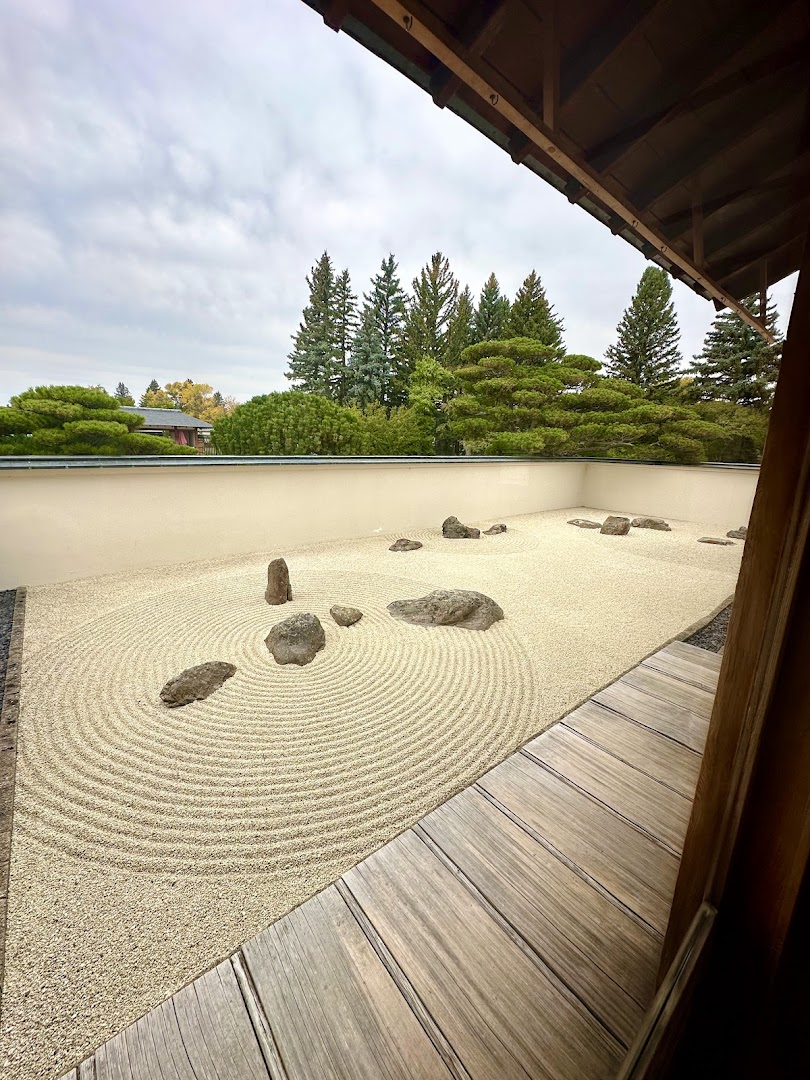
This is such a beautiful and peaceful place. It has such a calm feel as you walk around the path. The staff is so friendly. We were there when they had the music in the building. It was fantastic. You can either take your shoes off or put on shoe covers to go inside. We had the festival package so we went to Cleo’s Cafe to get our free cookie and free drink. This is definitely a place you need to visit.

Can’t say enough great things about this park. It’s so well maintained, the staff was very knowledgeable and friendly. The audio tour was well done and even though the link posted didn’t work for me, it was easy enough to navigate to the page to find the audio tour. The history of the park was so interesting to learn and it was fascinating to find out that the park has incorporated local trees and rocks to create the garden. I’m inspired to start my own small garden one day! It was educational to find out that the ponds at the garden had had carp in them one year until the local birds of prey ate them all. So if you find yourself also wondering if anyone thought of stocking the ponds with fish, well now we all know why there are currently no fish in them! I brought my mom when the pavillon was playing Japanese cat videos in honor of international cat day and somehow we found ourselves standing in our bare feet mesmerized by the cat videos for over 15 min. It was a magical experience. I can’t wait to come back.

Nikka Yuko Japanese Garden is peaceful and beautifully maintained. The garden itself is a little smaller than expected and a bit pricey, but the experience makes up for it. We enjoyed Japanese calligraphy, homemade tea, and learning about the culture. The staff were so kind and patient, and you can even rent a traditional dress for $30. A lovely cultural experience in Lethbridge!
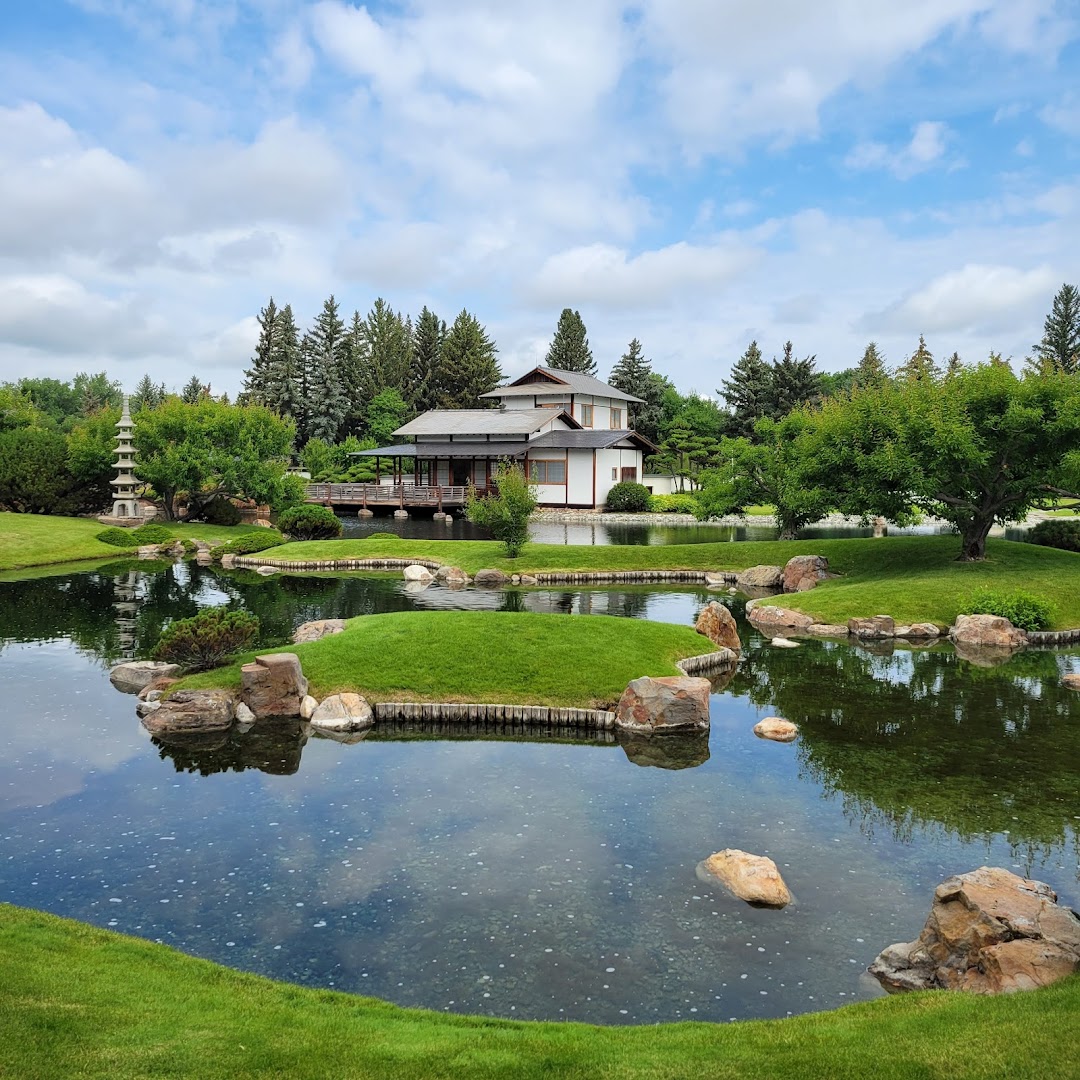
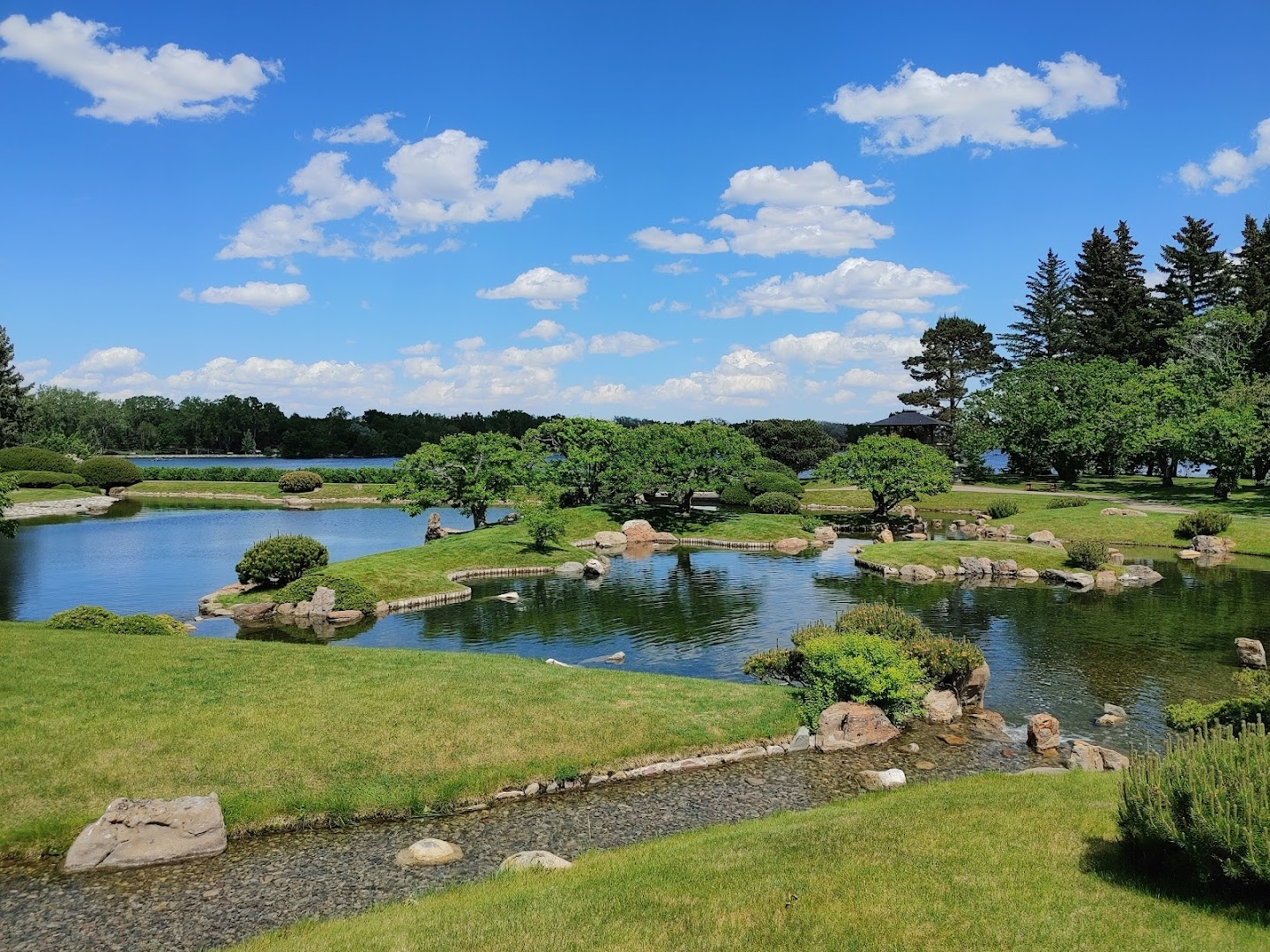
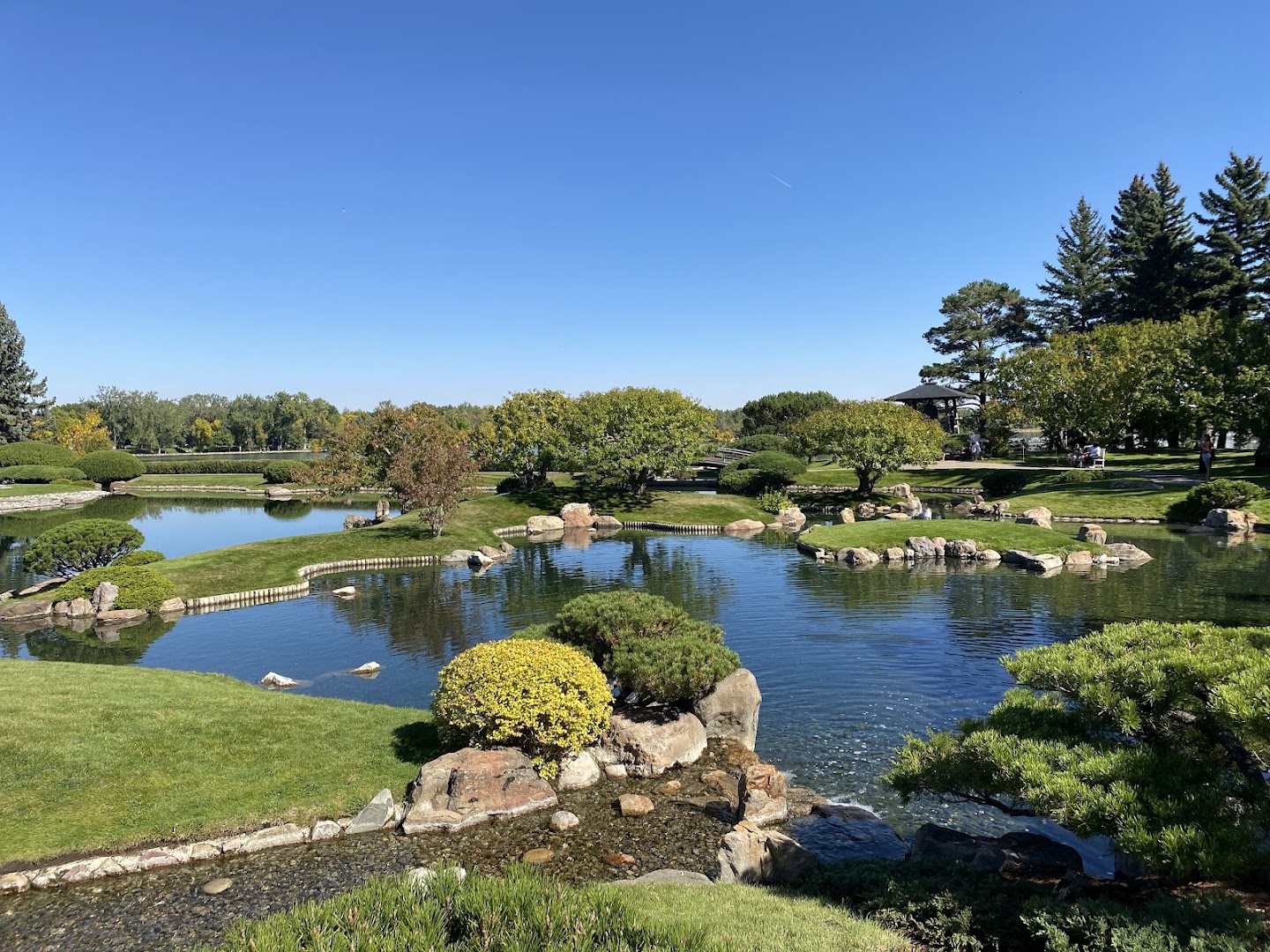
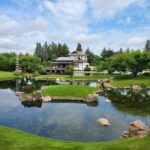
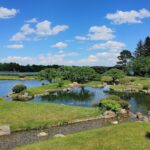
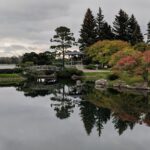
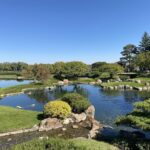
Serene landscaped garden merging Japanese & Canadian styles, with water features, forests & meadows.
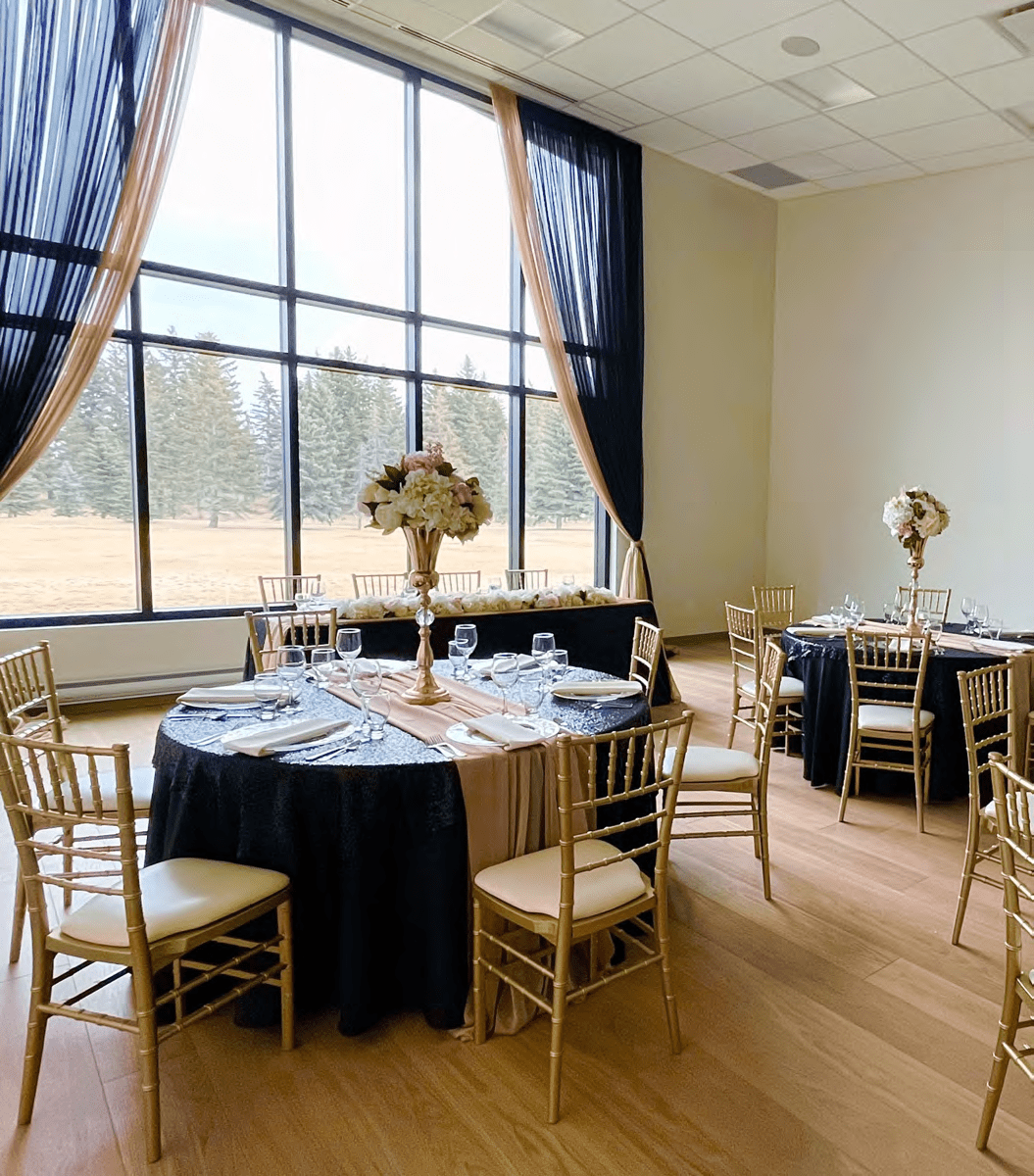
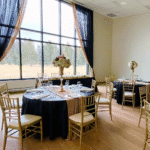
Large Event Room: Maximum of 100 people (theatre style) or 80 (round tables)
Programming/Breakout Rooms: Maximum of 25 people per room
The Motivation: Post-War Healing
Following World War II, Southern Alberta held the third-largest Japanese Canadian population in the country. This demographic shift was born from tragedy. In 1942, the Canadian government forcibly relocated thousands of Japanese Canadians from coastal British Columbia to Alberta sugar beet farms, stripping them of their rights and property.Despite facing severe discrimination, the community persevered and rebuilt their lives. By the early 1960s, local visionaries—including Buddhist priest Reverend Yutetsu Kawamura and Lethbridge Herald publisher Cleo Mowers—proposed a Japanese garden to recognize the community’s resilience, celebrate their cultural contributions, and foster deep reconciliation.
Designing a “Prairie” Japanese Garden
Lethbridge embraced the idea as its official 1967 Centennial Project to celebrate Canada’s 100th birthday. The city commissioned Dr. Tadashi Kubo, a renowned landscape architect from Osaka Prefecture University, to design the 1.6-hectare site.Kubo intentionally created a “Canadian garden in a Japanese style.” While traditional Japanese gardens are heavily enclosed, Kubo left open vistas within the layout to honor the vastness of the Canadian prairies. He blended local elements into the design:
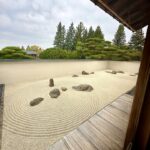
Rocks: Over 800 tonnes of boulders were hand-selected from the Rocky Mountains and the Oldman River bed.
Trees: Local Albertan pines and spruce were planted and meticulously pruned using traditional Japanese Niwaki techniques to mimic the look of ancient oriental trees.
Kyoto Engineering
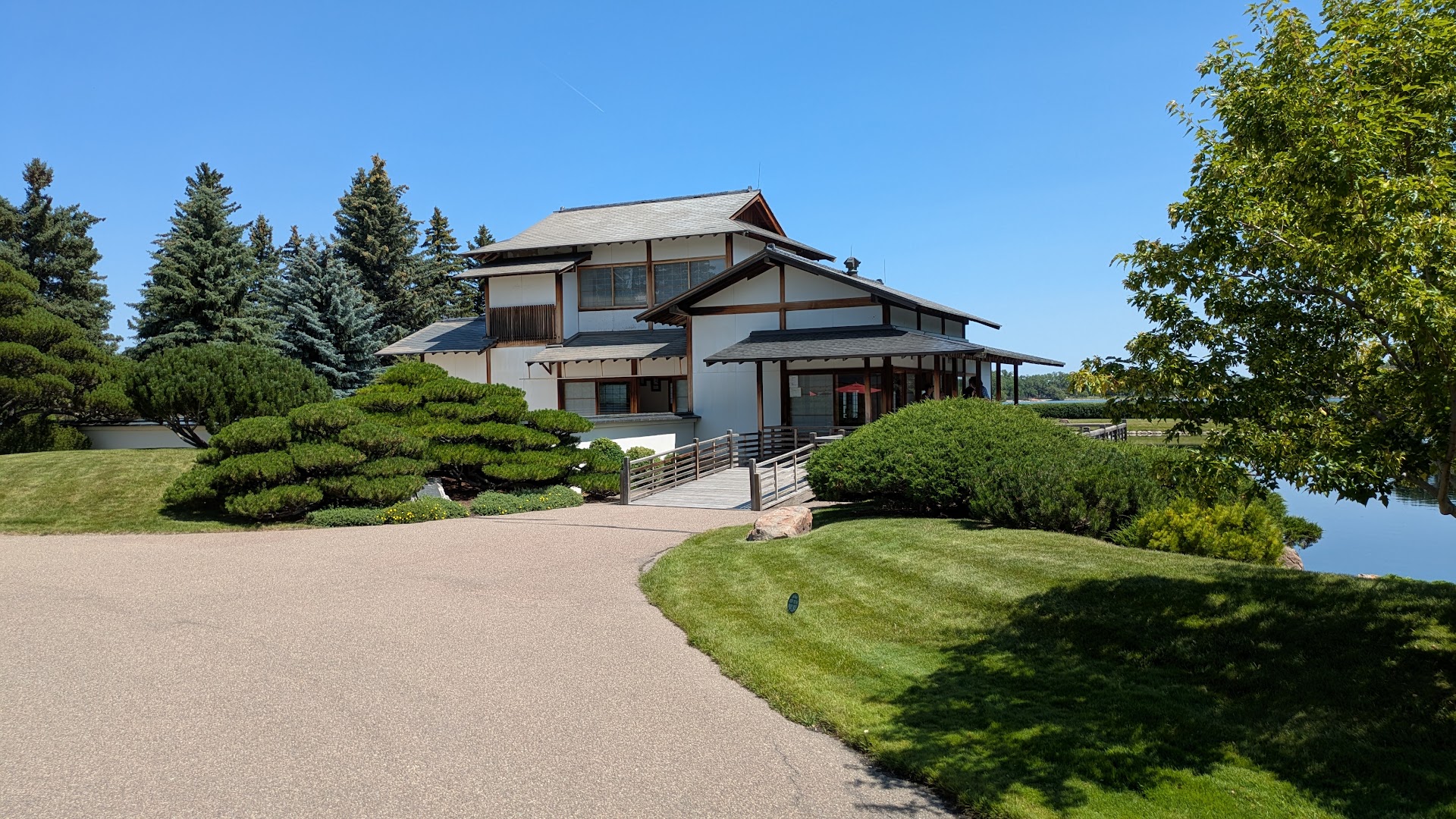
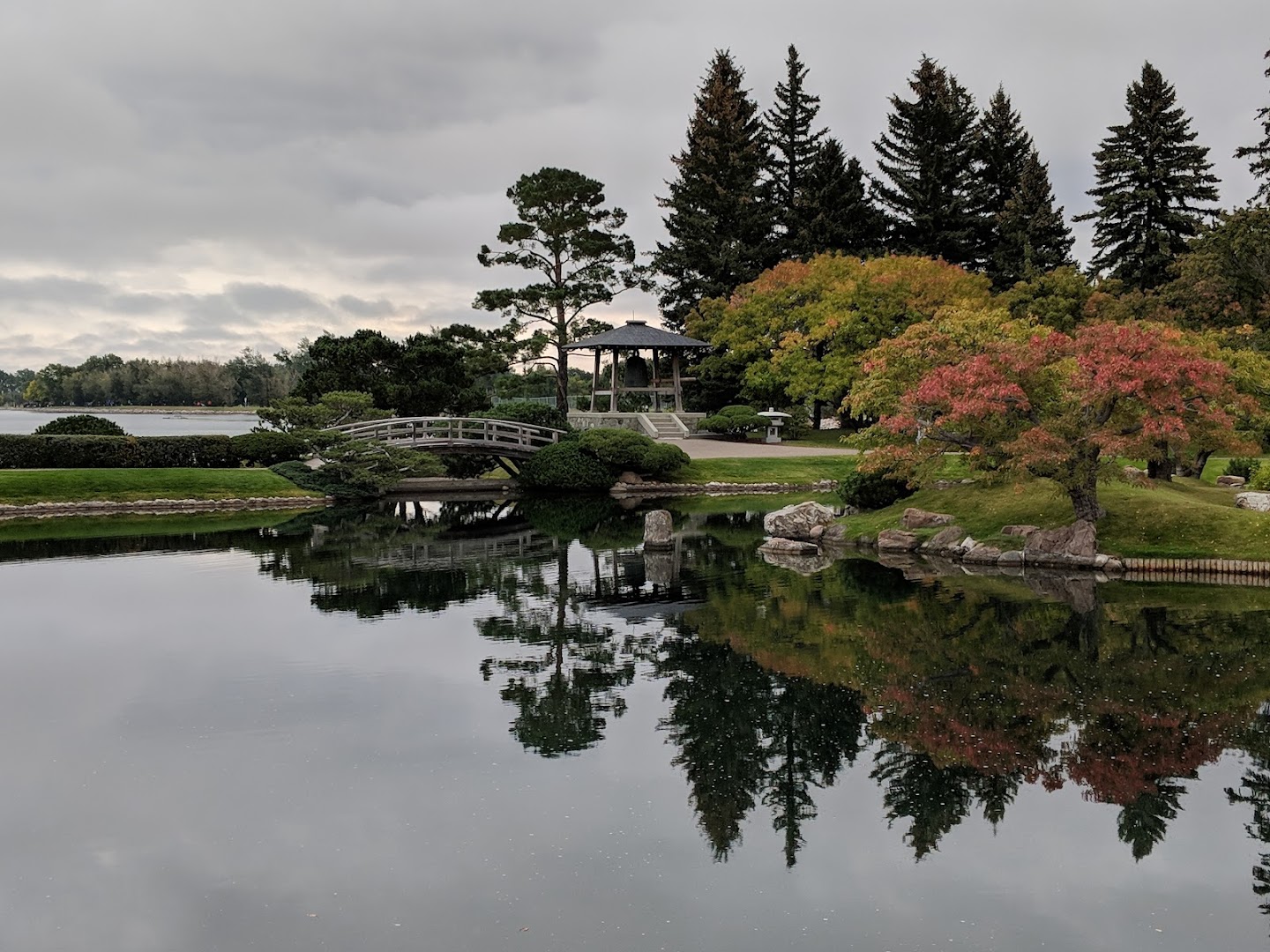
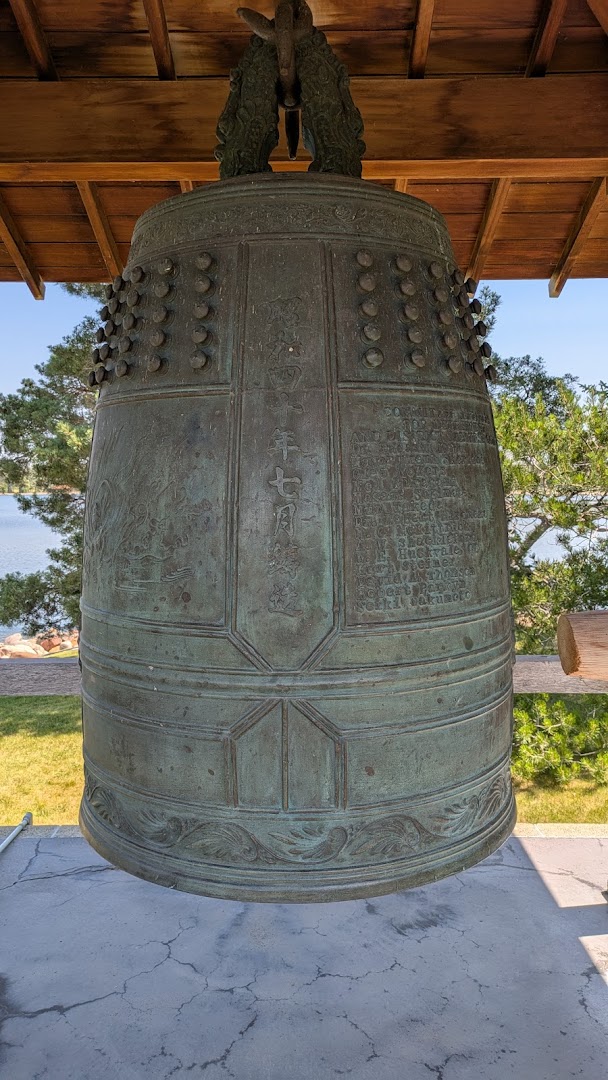
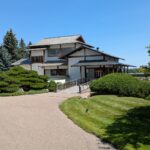
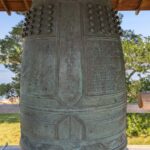
While the landscape used Canadian materials, the structures were entirely Japanese. The Pavilion, Aztec-style main gates, bridges, and Bell Tower were handcrafted in Kyoto out of premium Japanese yellow cypress.Using ancient joinery techniques, the structures were built without a single nail, screw, or bolt. Once completed, they were disassembled, packed into shipping containers, and sent across the Pacific. Five master Japanese carpenters traveled to Lethbridge to carefully piece the architectural puzzle back together.
Opening and Modern Era
The garden officially opened on July 14, 1967, with Japan’s Prince and Princess Takamatsu in attendance. The name Nikka Yuko represents this union: Ni (from Nihon, Japan), ka (from Kanada), and Yuko (Friendship).In 2021, the garden expanded with the opening of the Bunka Centre. This year-round facility preserves the history of early Japanese-Canadian settlers through digital exhibits, ensuring the garden remains an active hub for cultural education.